
- Certified Vuba Stone Installer
- Owner-Operated
- Serving Northern Virginia to Richmond
Signs You Might Need Us
Not sure what you’re looking at? Find the sign that matches what you’re seeing.
Leaking Cracks
in Basement Walls
Water or seepage coming through a crack after rain or snowmelt.
Damp Spots or White Residue
Damp patches or a white, chalky crust on walls can signal moisture.
Chipped or Crumbling Edges
Broken edges, pitting, or missing chunks in your concrete floor.
Gap Where the Floor Meets the Wall
An open joint around your floor’s edge can let in soil gas.
Cracks in Your
Basement Floor
Cracks across your slab may let in moisture or soil gas.
Unfinished Basement
Floor
A tired concrete floor that’s ready for a finished look.
Services
Foundation Wall Crack Injection
Most foundation wall cracks are vertical and thin. Even when they aren’t structural, they can let water and soil gases into your basement. We inject two-part polyurethane into the crack at low pressure, where it expands to fill the crack through the wall and cures into a water-resistant seal. All work is done from inside, so there’s no digging around your home.
- Good for:
- Leaking cracks: Vertical or diagonal cracks that seep after rain
- Poured walls: Thin cracks in poured concrete foundation walls
- Before finishing: Sealing cracks before you finish your basement
- Not for:
- Structural signs: Horizontal cracks, wide cracks, or walls that are moving
- Block or stone walls: These need a different repair
Slab Crack Repair
Cracks in a basement or garage slab may let in moisture and pests, collect dirt, and only get more noticeable with time. We clean out the crack, fill it with a fast-curing repair material, and grind it flush with the floor.
- Crack Sealing: Cracks are routed, cleaned and filled with a rapid-setting repair material, then ground smooth
- Spall and Chip Repair: Chipped edges, pitting and small broken areas are patched and leveled
- Good for:
- Floor cracks: Non-moving cracks in basement and garage slabs
- Chipped edges: Spalls along joints, edges and doorways
- Before new flooring: Repairing cracks before a Vuba Stone floor, coating or flooring goes down
- Not for:
- Sinking or heaving slabs: Slabs that are uneven or still moving
- Hiding repairs: Filled cracks will still show on bare concrete
Cove Joint & Slab Sealing
The cove joint is where your basement floor meets the wall, and it can be one of the largest openings in your slab. We clean out the joint and any floor cracks using dust-controlled grinding, then seal them with a sealant to reduce openings where moisture and soil gas can enter.
- Good for:
- Open joints: Gaps or crumbling where the floor meets the wall
- Floor cracks: Cracks in your basement slab
- Existing systems: Helping a radon or moisture system work better
- Not for:
- Replacing a radon system: Sealing helps, but doesn't replace one
Interior Resurfacing
Your Basement Floor Deserves Better
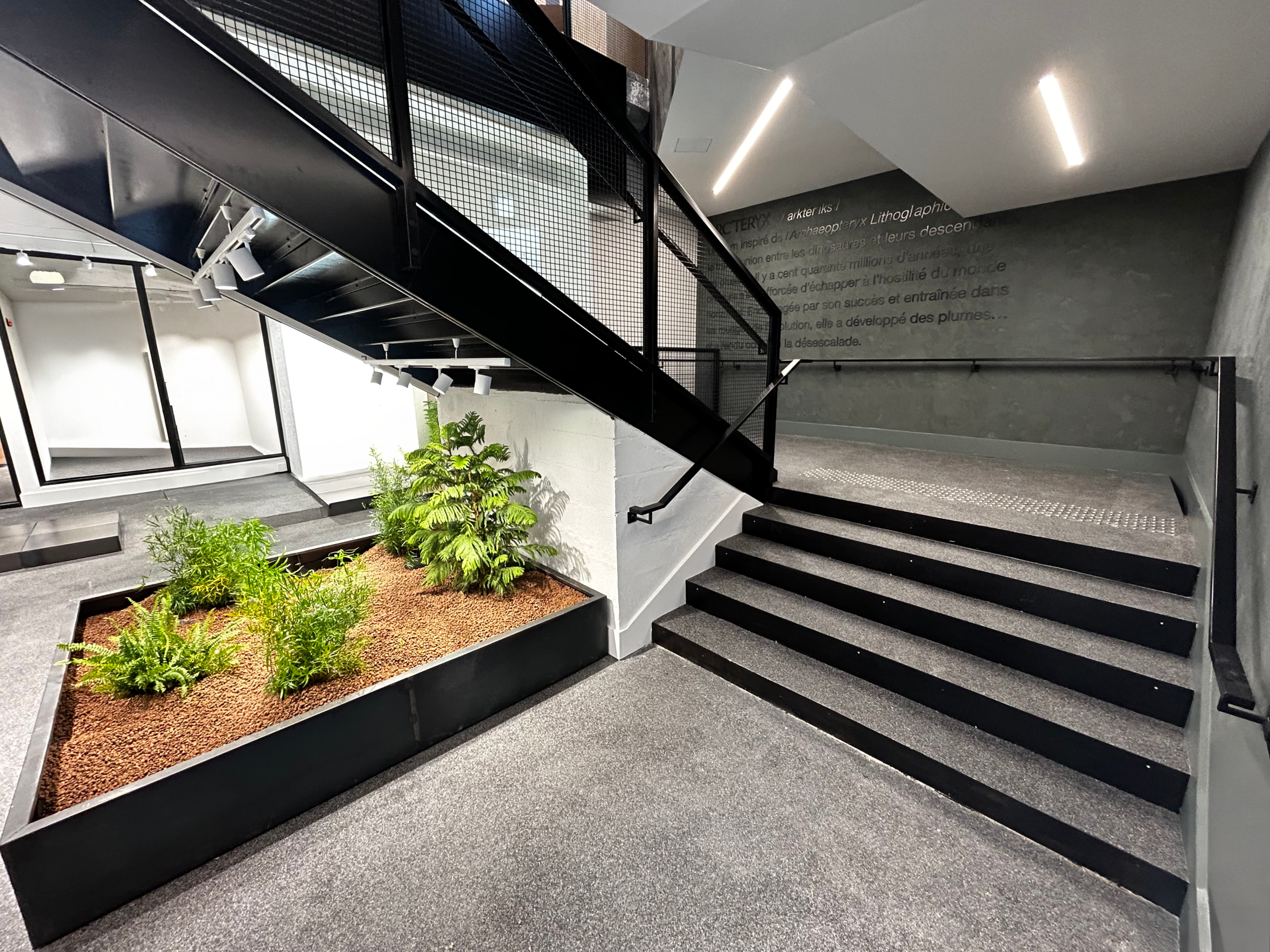
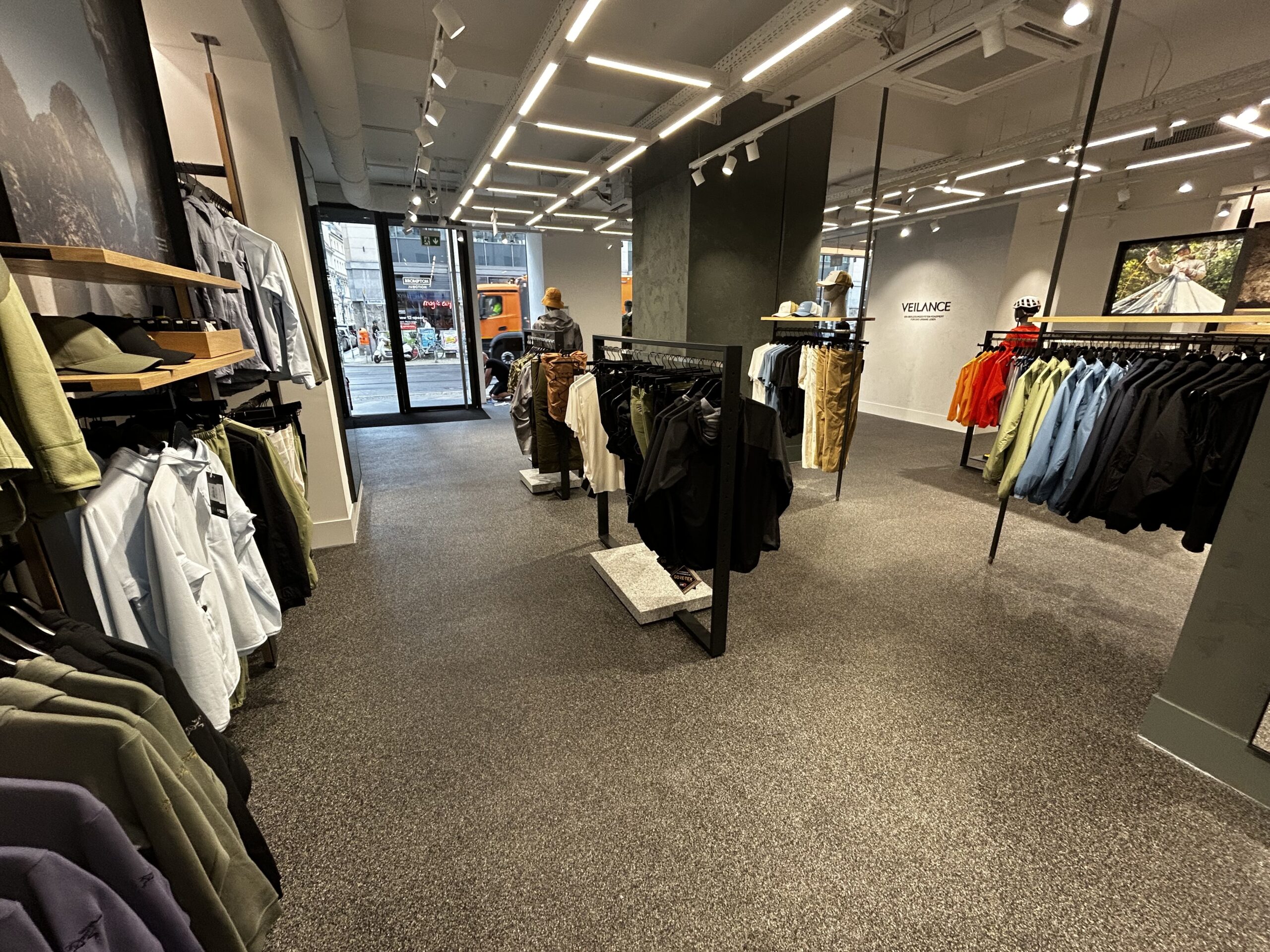
Vuba Stone Carpet binds decorative stone in resin to create a seamless, textured floor finish. Before installation, we inspect the slab and address the moisture, cracks, or prep issues that could affect the result. Then we install and seal your floor to suit how the space will be used. Choose from a range of stone blends to match your basement.
- Unfinished Basements
- Home Gyms
- Garages
Ready to learn more?
Free site visits across Northern Virginia, Fredericksburg & Richmond. Now booking Spring Installs